1833
The man woke before sunrise. The ground was cold, and it smelled like moss. He sat up, listened for a minute, and blinked.
He packed his traps into the canoe. The wood felt damp under his hands. When he pushed into the current, the canoe shifted under his weight, but he moved in rhythm with it. He paddled slowly along the river’s edge, scanning the bank for fresh tracks. There were a few, but not as many as the week before.
He set two traps in a shallow inlet. The water was colder than he expected for early autumn. He kept working, checking a slide farther upstream. He found some scat, but he didn’t let himself get excited.
As he reset another trap, he thought about the talk at the post. Men arguing over prices. Traders saying the buyers were late or not buying at all. He tried to ignore it, just focus on the work, but the worry wouldn’t leave.
Around midday he pulled one beaver. Male, good size. He cleaned it on the bank. The smell was familiar. The water made his hands numb. He folded the pelt and placed it beside the canoe.
The light grew dim in the afternoon, clouds covering the sun. He sat on the edge of the boat and counted what he had. Not much. Enough for a trip to the post, but not enough to feel confident.
At camp he boiled coffee. The fire smoked as the damp wood hissed. He sat on his blanket, cup in hand, thinking about what he would hear in the morning. Men would have to talk, and he would have to decide what was worth listening to.
He gave the fire another log and lay down in the evening stillness. The river moved in the dark. He listened to it until he drifted into sleep.
1863
The woman blew on the coals and waited for the heat to rise. The house was cold, and she could see her breath. She stepped outside and threw grain to the chickens. The yard smelled like shit and straw.
She milked the cow, strained the milk in the kitchen, and watched the field through the window. The oats were almost ready. She thought about how long it would take to cut them alone.
She carried a hammer and a few rusty nails to the south fence. A rail had dropped out during the last windstorm. The wood was rough and dry. She lifted the rail back into place and hammered it in. Her fingers shook with each hit, but she didn’t pause.
She sat under the poplars at midday. The sun was high now, and the earth was warm. She drank water from a tin cup. The insects hummed in the field. The sound reminded her how far she was from any news, except the letters that came when they felt like it.
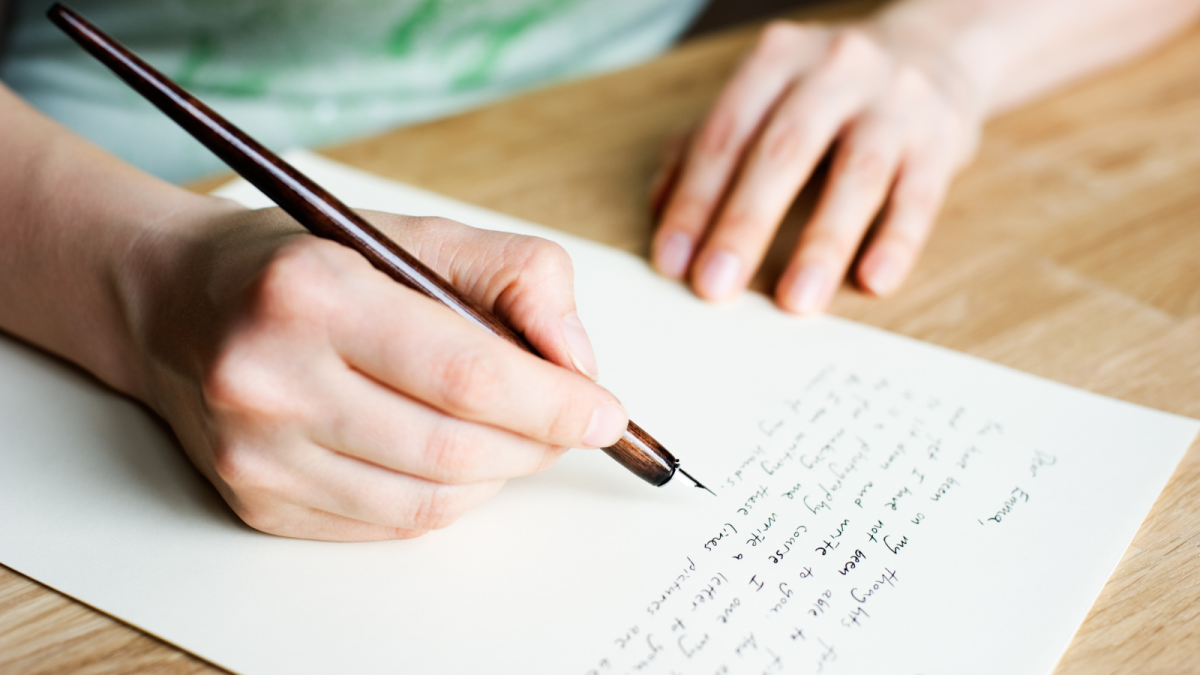
Inside, the house was warm now too. She cut bread and cheese and ate alone. Her husband’s last letter sat on the table. She touched it lightly but didn’t open it. She knew the words by heart.
She did another round of chores; barn, chickens, arranging the tools for morning. The cow shifted in her stall and brushed the wood with her flank. The smell of hay clung to the woman’s clothes.
In the evening she lit a lamp and set it in the window. She didn’t have a real reason, but it was habit. It made the room feel less empty.
She lay down and went through her list for the next day. Sharpen the blade. Check the harness. Start cutting.
The list kept her mind off the empty space beside her. She closed her eyes.
1893
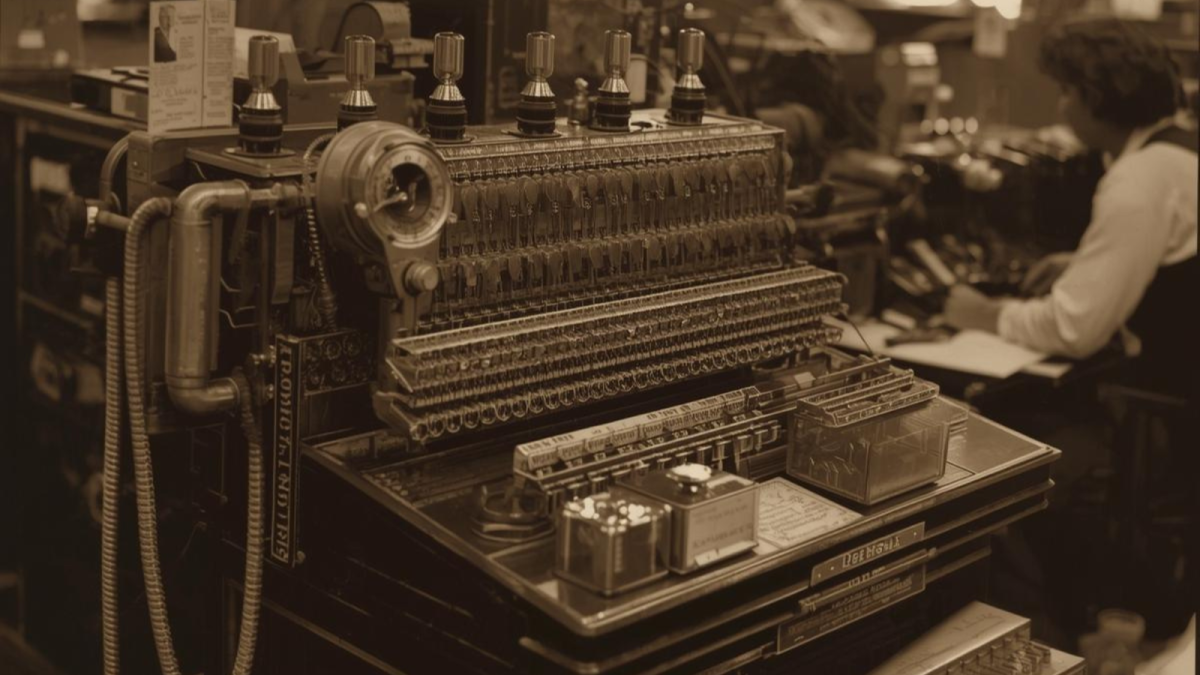
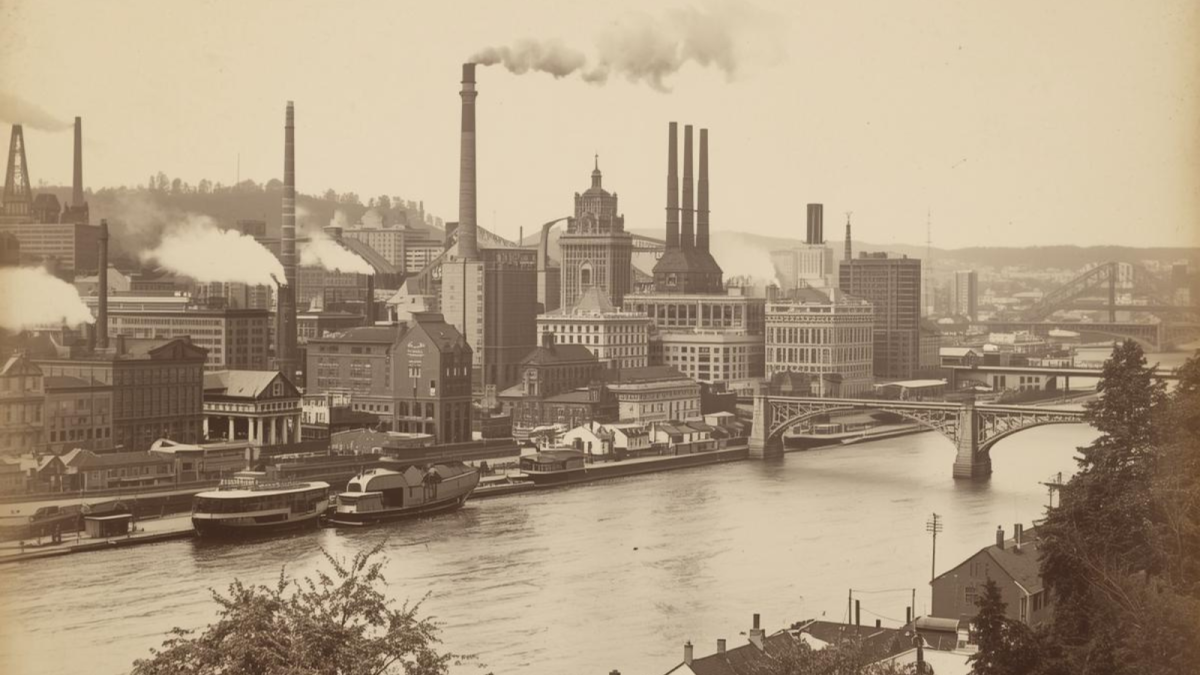
The boy woke to the sound of freight cars being moved in the trainyard. The walls of the small house trembled slightly as they did every morning. He dressed quickly and stepped outside. The air smelled like steam and smoke mixed together with the softer smell of approaching rain.
He ran to the depot and watched men switch cars. They worked fast, calling to one another over the noise. Steam vented from the engine in short bursts. The boy felt the warm air hit his face when the engine passed.
He walked along the telegraph poles. The wires hummed faintly. A lineman tightened a bolt high above him. The man glanced down, then went back to his work.
At the new spur line, workers shoveled and leveled the ground. A steam shovel lifted earth in steady movements. The machine gave off a hot, oily smell. The boy watched until the foreman waved him off.
He stopped at the cattle pens. A buyer was inspecting a small group of steers. The animals shifted uneasily under the noise from the yard. The boy had seen steers many times, but he’d never seen a heifer.
At the newspaper office he read headlines through the window. Banks closing. Rail companies behind on payments. He didn’t understand most of it, but the words excited him.
At home he swept the porch and brought in coal for the stove. His mother called to him from inside, but the yard noise drowned her out.
Later he tried reading his schoolbook, but the engines kept pulling his attention away with the cars. A long freight train dragged by out the window. He counted until the last car vanished around the bend.
The ground held a faint rumble after it was gone.
He smiled.